
How Atlanta’s Climate Affects Hair Extensions (And How to Protect Them)
Living in Atlanta means dealing with a climate that can change how hair behaves almost instantly. Hot summers, high humidity, afternoon storms, and major seasonal shifts can all affect natural hair — and extensions are no exception.
Atlanta humidity can cause both natural hair and extension hair to absorb moisture from the air, leading to swelling of the hair cuticle, loss of shape, tangling, and frizz. For anyone already dealing with frizzy hair in humidity, the right extension hair, installation method, and home-care routine can make a significant difference.
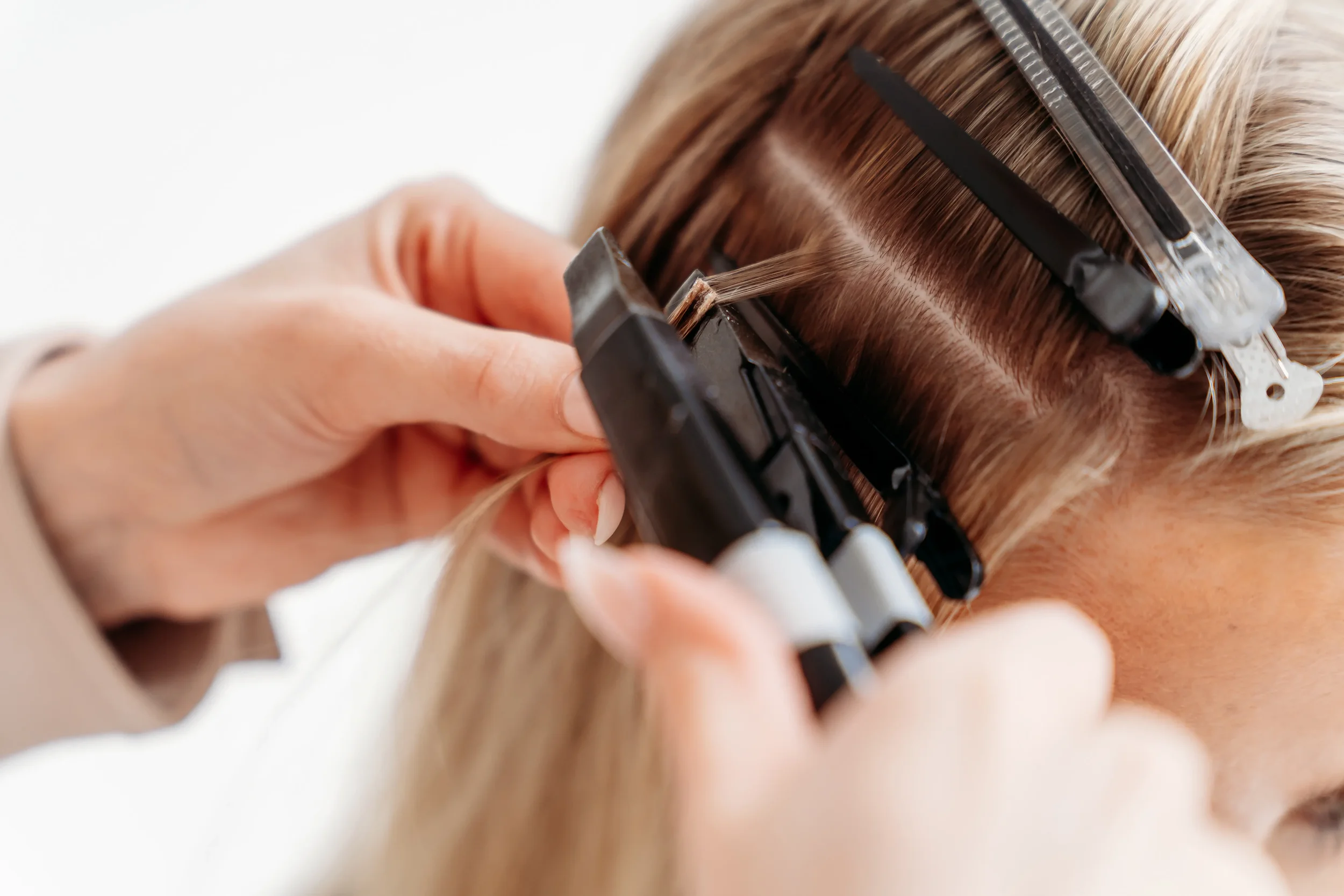
Ellie Rose Hair specializes exclusively in custom K-Tip extensions using Virgin Single-Donor Slavic hair. Every installation is approached with Atlanta’s climate in mind, taking into consideration the client’s natural texture, density, lifestyle, and maintenance routine.
Why Atlanta’s Heat and Humidity Test Hair Extensions
Humidity-related frizz happens when moisture from the air enters the hair shaft and disrupts the way the hair is styled. As the hair absorbs that moisture, the cuticle can swell, causing smooth hair to become puffier, wavier, or more frizzy.
This is especially noticeable during Atlanta’s long, humid summer season. A sleek blowout that looks perfect indoors can begin changing quickly after spending time outside.
Unlike very dry climates, where maintaining moisture may be the primary concern, Atlanta hair requires balance. Hair needs enough hydration to remain soft and manageable without becoming coated or weighed down with heavy products.
Extension hair is exposed to the same environment, making climate-conscious hair extensions care especially important for maintaining smoothness, movement, and manageability throughout the wear cycle.
How K-Tip Extensions Respond to Heat and Moisture
K-Tip extensions are well suited for an active lifestyle because each extension is attached individually with a small keratin bond. Normal exposure to Atlanta’s humidity isn’t going to suddenly cause properly installed K-Tip bonds to break down.
The extension hair itself, however, still responds to heat and moisture.
Unlike natural hair, extensions do not receive oils directly from the scalp. That means the mid-lengths and ends rely on proper home care to maintain softness and hydration. In high humidity, improperly cared-for extension hair may become frizzy, expand, or tangle more easily.
This is one reason hair quality matters.
Ellie Rose Hair uses Virgin Single-Donor Slavic hair rather than heavily processed, factory-blended extension hair. Preserving the hair’s natural integrity helps create an extension result that looks, moves, and behaves more like natural hair.
Each K-Tip installation is also customized to the client’s natural density. Bond size and strand weight can be adjusted throughout the head so finer areas aren’t expected to support the same amount of extension hair as denser areas.
Protecting Extensions During Atlanta Summers: Sweat, Pools, and Workouts
Can you sweat with hair extensions? Absolutely.
K-Tips are designed to fit into everyday life, including regular workouts. Hair should be secured in a loose ponytail, braid, or bun during exercise to minimize tangling and unnecessary movement at the bonds. After heavy sweating, the scalp, roots, and bonds should be allowed to dry completely rather than remaining damp for extended periods.
Another common question is, can you swim with hair extensions?
Yes, but preparation and aftercare matter.
Before swimming in a pool, lake, or ocean, saturating the extension hair with fresh water can help reduce how much chlorine, salt, or minerals the hair absorbs. A lightweight leave-in conditioner applied through the mid-lengths and ends can provide additional protection.
Keeping the hair braided while swimming also helps prevent tangling. Afterward, extensions should be thoroughly rinsed with fresh water, gently detangled, conditioned, and dried completely at the roots and bonds.
Wet extensions should never remain tied up for hours after swimming.
Adjusting Product and Styling Routines by Season
The best extension routine in January may not be the best routine in July.
During Atlanta’s most humid months, lightweight smoothing and anti-humidity products can help control humidity frizz without creating unnecessary buildup. Heavy creams and excessive oils can weigh down extension hair, so product placement and quantity matter.
Styling strategically can also reduce unnecessary heat exposure.
Loose waves, soft texture, braids, and low buns tend to work with Atlanta humidity rather than constantly fighting against it. Repeatedly flat-ironing hair to maintain a perfectly straight finish on humid days adds additional heat exposure without guaranteeing the style will last.
The goal isn’t to fight every bit of natural movement. It’s to keep the extensions smooth, manageable, healthy-looking, and seamlessly blended with the natural hair throughout the season.
Book a Climate-Ready K-Tip Consultation at Ellie Rose Hair
Choosing hair extensions in Atlanta involves more than deciding on a length and color. Hair quality, natural density, texture, lifestyle, bond size, placement, and home care all influence how extensions look and perform over time.
Ellie Rose Hair specializes exclusively in custom K-Tip extensions using Virgin Single-Donor Slavic hair. Each installation is individually customized to complement the client’s natural hair while prioritizing a seamless blend, comfortable wear, and the health of the natural hair.
For those considering K-Tip hair extensions in Atlanta, a complimentary consultation is the first step toward creating an extension plan designed around the hair, lifestyle, and desired result.
